Even the best concrete eventually shows signs of wear and damage. Cracks appear, surfaces settle, edges crumble, and what once looked great now detracts from your property's appearance and functionality. The good news is that many concrete problems can be repaired effectively, saving you the expense of complete replacement. Here in the Miami and Westchester area, we help homeowners evaluate their concrete issues and determine whether repair or replacement makes the most sense for their situation and budget.
Not every concrete problem requires tearing everything out and starting over. Minor cracks, surface damage, and isolated problem areas often respond well to professional repairs that restore both appearance and function. However, extensive damage, repeated failures, or structural issues may indicate that replacement is the better long-term solution. Our experience working with South Florida's challenging soil conditions and climate helps us provide honest assessments and effective solutions that address the root cause of your concrete problems.
Common Concrete Problems We Fix
Cracking is the most common concrete issue homeowners face. Small hairline cracks are normal and generally not a concern. Wider cracks that allow water penetration need attention to prevent further damage. We evaluate the crack pattern, width, and location to determine the cause and recommend appropriate repairs. Sometimes simple crack filling suffices, while other situations require more extensive repair or replacement of affected sections.
Settling and sinking concrete creates trip hazards and drainage problems. This happens when the soil beneath the concrete compacts, washes away, or shifts. Driveways develop dips where water ponds. Walkways create uneven surfaces that people can trip over. Patio sections slope toward the house instead of away from it. In many cases, we can lift and level settled concrete using specialized techniques that cost far less than replacement. When settling is severe or continues to occur, replacement with improved base preparation may be necessary.
Surface damage takes many forms including spalling (flaking or chipping of the surface), scaling (loss of the surface layer), and discoloration. These problems often result from improper installation, freeze-thaw cycles, or chemical exposure. Florida's heat and humidity can also cause surface deterioration over time. Depending on the extent of damage, we can resurface the concrete, apply protective coatings, or replace the affected areas to restore a smooth, attractive finish.
Broken or missing concrete pieces are common around edges and corners where the concrete is most vulnerable. Driveway aprons crack and break from vehicle traffic. Walkway edges crumble from lawn equipment and ground movement. These localized problems usually do not require replacing the entire structure. We can remove the damaged section and pour new concrete that matches the existing surface, creating a seamless repair that extends the life of your concrete.
Professional Repair Solutions
Crack repair techniques vary based on the size and type of crack. Narrow cracks get filled with specialized flexible sealants that prevent water intrusion while accommodating minor movement. Wider cracks may require routing (cutting a groove along the crack) before filling to ensure proper adhesion and longevity. Structural cracks that indicate foundation issues need more extensive evaluation and potentially different repair approaches including underpinning or replacement with improved structural support.
Concrete leveling, also known as slabjacking or mudjacking, lifts settled concrete back to its original position. We drill small holes through the concrete and pump a special material underneath that fills voids and raises the slab. This process works well for driveways, sidewalks, patios, and other flatwork that has settled but remains structurally sound. The repairs are quick, typically completed in hours rather than days, and cost significantly less than tearing out and replacing the concrete.
Our repair services include:
- Crack sealing and filling to prevent water damage and deterioration
- Concrete leveling to raise settled slabs and eliminate trip hazards
- Partial slab replacement for localized damage or broken sections
- Resurfacing and overlays to restore worn or damaged surfaces
- Joint repair and resealing to maintain proper expansion gaps
- Edge and corner rebuilding for damaged perimeter areas
Resurfacing applies a thin layer of new concrete or specialized coating over existing concrete. This solution works when the underlying concrete is structurally sound but the surface looks worn, stained, or damaged. We can add color, texture, or decorative finishes during resurfacing to completely transform the appearance. Resurfacing costs much less than replacement while giving you what essentially looks and functions like new concrete. The process typically takes one to two days depending on the size and complexity of your project.
When Replacement Makes More Sense
Some concrete problems are too extensive or severe for repairs to be practical or cost-effective. Multiple large cracks throughout a driveway, significant settling that continues to worsen, or widespread surface deterioration often indicate that the concrete has reached the end of its useful life. In these situations, replacement gives you a fresh start with modern materials and techniques that provide better long-term performance.
Replacement also makes sense when you want to change the size, layout, or design of your concrete. If your old patio is too small or your driveway needs to be widened, combining necessary replacement with expansion creates the functionality you need. You can also upgrade to decorative concrete with stamping, color, or custom features during replacement, turning a maintenance problem into an opportunity to enhance your property.
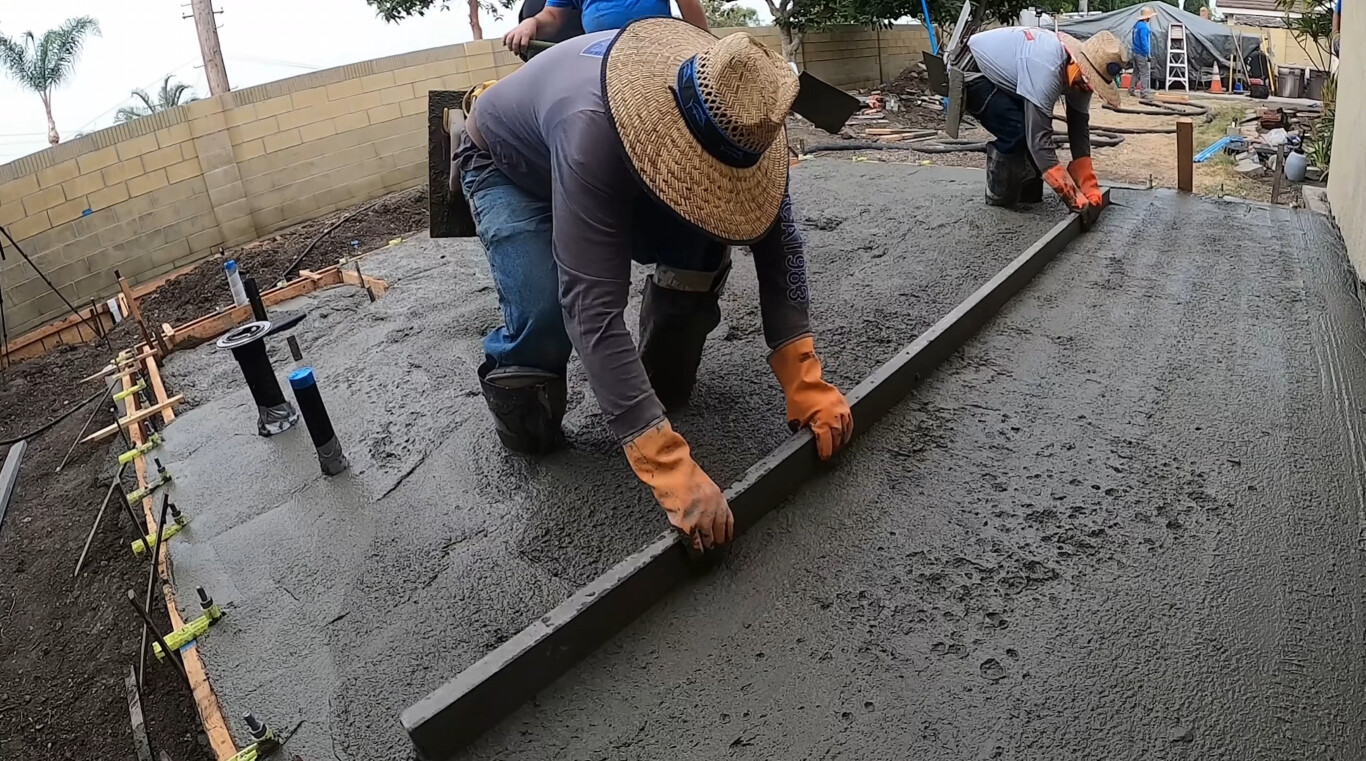
The replacement process involves removing the old concrete, addressing any underlying problems with the base or drainage, and installing new concrete properly. We take extra care to identify and fix whatever caused the original concrete to fail. Poor drainage gets corrected. Inadequate base material gets upgraded. Improper thickness or lack of reinforcement gets addressed. This thorough approach ensures your new concrete performs better and lasts longer than what it replaces.
We provide honest assessments about whether repair or replacement is the better choice for your specific situation. Sometimes repair is clearly the economical solution that will last for many more years. Other times, replacement costs only moderately more than extensive repairs while providing much better long-term value. We explain your options, show you the pros and cons of each approach, and let you make an informed decision based on accurate information and fair pricing.
Preventing Future Concrete Problems
While no concrete lasts forever, proper installation and maintenance significantly extend its lifespan and reduce the likelihood of serious problems. When we handle repairs or replacement, we focus on the factors that contribute to premature concrete failure. Adequate base preparation, proper drainage, appropriate concrete thickness, and steel reinforcement all play critical roles in long-term performance. Getting these details right during installation prevents many common problems from developing later.
Regular maintenance helps protect your concrete investment. Sealing the surface every few years guards against moisture penetration, staining, and chemical damage. Keeping drainage systems clear ensures water flows away from concrete rather than pooling and seeping underneath. Addressing minor cracks promptly prevents them from widening and allowing water to undermine the base. These simple practices cost little but can add years or even decades to your concrete's life.
Understanding what concrete can and cannot handle also prevents damage. Avoid using harsh deicing chemicals that can damage the surface. Do not drive heavy equipment or vehicles significantly heavier than what the concrete was designed for. Keep plant roots away from concrete edges where they can lift and crack the material. Being mindful of these factors helps your concrete perform as designed for its full expected lifespan. When problems do occur despite your best efforts, we are here to provide effective repairs or replacement that gets your concrete back in top condition.
Common Questions About Concrete Repair & Replacement
Get Your Concrete Fixed Right
Contact us for a free evaluation of your concrete problems. We will recommend the most effective and economical solution for your situation.
Schedule Free Evaluation